
Spinal Tumor

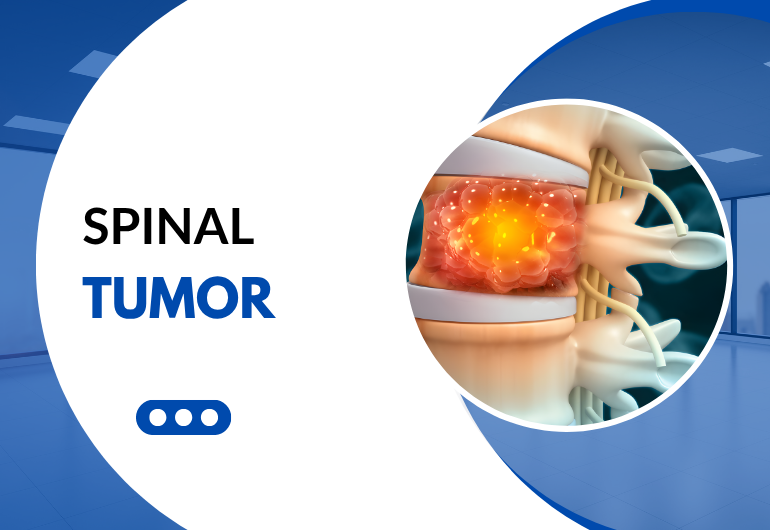
Spinal Tumor
A spinal tumor diagnosis can feel overwhelming—but with the right expertise and timely intervention, effective treatment and recovery are absolutely possible. Spinal tumors, whether benign or malignant, can affect the vertebrae, spinal cord, or surrounding nerves, leading to symptoms such as persistent back pain, neurological deficits, or even mobility challenges. Early diagnosis and expert care play a crucial role in preventing complications and ensuring the best outcomes.
Dr. Sharat Kumar Garg, a highly skilled neurosurgeon, specializes in the evaluation and management of spinal tumors using cutting-edge technology and a patient-first approach. His focus is not just on removing the tumor, but also on preserving neurological function, stabilizing the spine, and helping patients return to a pain-free and active life.
Understanding Spinal Tumors
Spinal tumors are abnormal growths that develop within or around the spinal column. They can be classified into three main types:
-
- Intramedullary tumors – Located within the spinal cord
- Intradural-extramedullary tumors – Found inside the spinal covering but outside the spinal cord
- Extradural tumors – Occur outside the spinal cord, often involving the vertebrae
These tumors may be primary (originating in the spine) or secondary (metastatic), spreading from other parts of the body such as the lungs, breast, or prostate.
Symptoms That Should Not Be Ignored
Spinal tumors often present with subtle symptoms initially, which may gradually worsen. Recognizing these early warning signs is critical:
-
- Persistent or worsening back or neck pain
- Pain that intensifies at night or with activity
- Weakness or numbness in arms or legs
- Difficulty walking or maintaining balance
- Loss of bladder or bowel control
- Tingling or altered sensations
If left untreated, spinal tumors can compress the spinal cord or nerves, leading to irreversible neurological damage. Early consultation with a specialist like Dr. Sharat Kumar Garg can make a significant difference.
Precision Diagnosis for Accurate Treatment
Accurate diagnosis is the cornerstone of successful spinal tumor treatment. A comprehensive evaluation typically includes:
-
- MRI (Magnetic Resonance Imaging) for detailed visualization of soft tissues
- CT scans to assess bone involvement
- Biopsy to determine the nature of the tumor
- Neurological examinations to evaluate nerve function
Dr. Garg emphasizes a multidisciplinary approach, ensuring every case is carefully analyzed before designing a personalized treatment plan.
Advanced Treatment Options
Treatment for spinal tumors depends on various factors, including the type, size, location, and whether the tumor is benign or malignant. The goal is always to remove or control the tumor while preserving spinal stability and neurological function.
- Microsurgical Tumor Removal
Using high-powered microscopes and precision instruments, tumors are removed with minimal disruption to surrounding tissues. This technique enhances safety and improves recovery outcomes.
- Minimally Invasive Spine Surgery (MISS)
Whenever possible, minimally invasive techniques are used to reduce surgical trauma, resulting in:
-
- Smaller incisions
- Less blood loss
- Faster recovery
- Reduced hospital stay
- Spinal Stabilization Procedures
In cases where the tumor affects the structural integrity of the spine, stabilization using screws, rods, or cages may be required to restore strength and alignment.
- Adjuvant Therapies
For malignant tumors, additional treatments such as radiation therapy or chemotherapy may be recommended in coordination with oncology specialists.
A Holistic Approach to Recovery
Treatment doesn’t end with surgery. Recovery and rehabilitation are equally important to regain strength and function. Dr. Sharat Kumar Garg ensures a comprehensive post-treatment plan that includes:
-
- Pain management strategies
- Physiotherapy and rehabilitation programs
-
- Regular follow-ups and imaging
- Lifestyle and ergonomic guidance
The focus is on helping patients return to their normal routines as quickly and safely as possible.