
Peripheral Nerve Surgeries

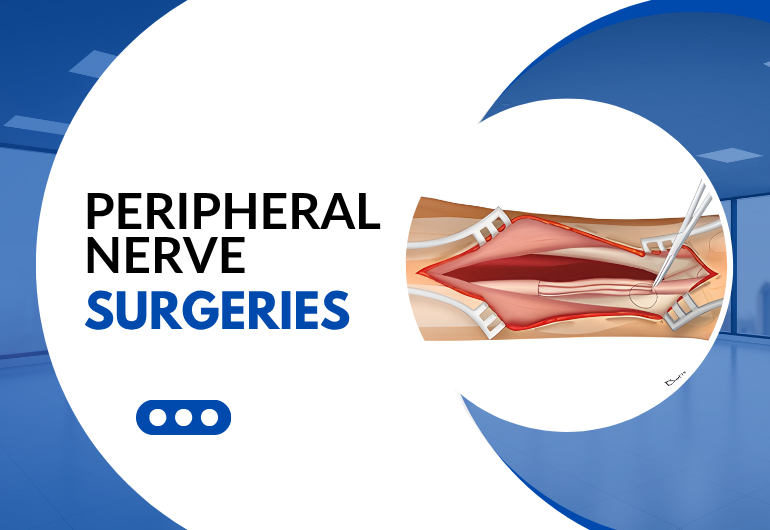
Peripheral Nerve Surgeries
Every movement you make, every sensation you feel—these are made possible by an intricate network of peripheral nerves that connect your brain and spinal cord to the rest of your body. When these nerves are damaged or compressed, even the simplest tasks can become difficult, painful, or impossible.
Peripheral nerve disorders can silently disrupt your quality of life, causing chronic pain, weakness, numbness, or loss of function. But with timely intervention and expert care, recovery is not just possible—it can be life- changing.
Dr. Sharat Kumar Garg, a highly skilled neurosurgeon, specializes in advanced peripheral nerve surgeries
aimed at restoring nerve function, reducing pain, and helping patients regain control over their daily lives. His approach blends surgical precision with a deep understanding of nerve anatomy and patient-centered care.
Understanding Peripheral Nerve Disorders
Peripheral nerves extend from the brain and spinal cord to the muscles, skin, and organs. These nerves are responsible for transmitting signals that control movement and sensation.
When these nerves are injured or compressed, it can lead to:
- Loss of sensation (numbness or tingling)
- Muscle weakness or paralysis
- Burning or sharp nerve pain
- Reduced coordination or mobility
Peripheral nerve damage can occur due to injury, repetitive strain, medical conditions, or compression syndromes.
Common Conditions Requiring Peripheral Nerve Surgery
Peripheral nerve surgery is often recommended when non-surgical treatments fail to provide relief or when nerve damage is severe.
Some common conditions include:
- Carpal Tunnel Syndrome – Compression of the median nerve in the wrist
- Ulnar Nerve Entrapment – Compression at the elbow or wrist
- Peripheral Nerve Injuries – Caused by trauma, accidents, or cuts
- Nerve Tumors – Growths affecting nerve function
- Sciatic Nerve Compression – Causing radiating pain in the leg
- Brachial Plexus Injuries – Affecting nerves controlling the arm and shoulder Each condition requires a tailored approach to ensure optimal recovery.
Symptoms You Should Not Ignore
Nerve-related issues often begin subtly but can worsen over time if left untreated. Early intervention is key. Watch for:
- Persistent tingling or “pins and needles” sensation
- Numbness in hands, feet, or limbs
- Weak grip strength or muscle weakness
- Sharp, shooting, or burning pain
- Loss of coordination or difficulty performing daily tasks
If these symptoms persist, consulting Dr. Sharat Kumar Garg can help identify the underlying cause and initiate timely treatment.
Advanced Diagnosis & Evaluation
Accurate diagnosis is crucial in peripheral nerve disorders, as symptoms can overlap with other conditions. Dr. Garg uses a comprehensive evaluation process, including:
- Nerve conduction studies (NCS) to assess electrical activity
- Electromyography (EMG) to evaluate muscle response
- MRI or ultrasound imaging for structural analysis
- Detailed clinical and neurological examination
This precise assessment helps determine the location, severity, and type of nerve damage.
Peripheral Nerve Surgical Procedures
Peripheral nerve surgery is highly specialized and requires meticulous precision. Dr. Sharat Kumar Garg offers a range of advanced surgical solutions:
- Nerve Decompression Surgery
This procedure relieves pressure on compressed nerves, restoring normal function and reducing pain. It is commonly used for conditions like carpal tunnel syndrome.
- Nerve Repair & Grafting
In cases of nerve injury, damaged nerve ends are repaired or replaced using grafts to restore continuity and function.
- Nerve Transfer Surgery
Healthy nerves are redirected to restore function in areas where nerves are severely damaged.
- Tumor Removal from Nerves
Benign or malignant growths affecting nerves are carefully removed while preserving as much nerve function as possible.
- Minimally Invasive Techniques
Whenever feasible, less invasive approaches are used to minimize tissue damage and accelerate recovery.
Each procedure is carefully selected based on the patient’s condition, ensuring maximum effectiveness with minimal risk.
Recovery & Rehabilitation – Regaining Strength and Function
Recovery from peripheral nerve surgery is a gradual but rewarding process. Nerves take time to heal, and consistent rehabilitation plays a crucial role in restoring function.
Dr. Sharat Kumar Garg provides a structured recovery plan that includes:
-
- Physiotherapy and occupational therapy
- Strength and coordination exercises
- Pain management strategies
- Lifestyle modifications and ergonomic advice
- Regular follow-ups to monitor nerve regeneration
With proper care and guidance, many patients regain significant function and experience long-term relief.