
Spinal Trauma

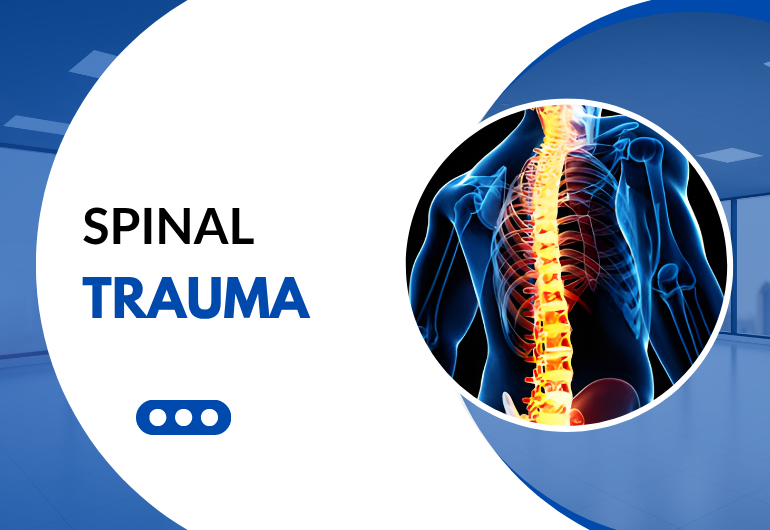
Spinal Trauma
Spinal trauma is one of the most critical medical emergencies, often occurring unexpectedly due to accidents, falls, sports injuries, or violence. The spine not only supports your body but also protects the spinal cord—the vital communication pathway between your brain and body. Any injury to this delicate structure can have life- altering consequences, including paralysis or permanent disability.
In such high-stakes situations, timely and expert intervention is crucial. Dr. Sharat Kumar Garg, a highly experienced neurosurgeon, provides comprehensive care for spinal trauma—combining rapid diagnosis, advanced surgical expertise, and a patient-centered recovery approach. His goal is clear: to stabilize the spine, protect neurological function, and maximize recovery potential.
Understanding Spinal Trauma
Spinal trauma refers to any injury affecting the bones (vertebrae), discs, ligaments, or spinal cord. These injuries can range from mild soft tissue damage to severe fractures and spinal cord injuries.
Common causes of spinal trauma include:
- Road traffic accidents
- Falls from height
- Sports-related injuries
- Workplace accidents
- Physical assault or trauma
Depending on the severity and location, spinal trauma can lead to structural instability and neurological deficits, making immediate medical attention essential.
Types of Spinal Injuries
Spinal trauma can present in various forms, each requiring a different treatment strategy:
- Fractures – Breaks in the vertebrae that may compromise spinal stability
- Dislocations – Misalignment of vertebrae affecting spinal integrity
- Spinal Cord Injury (SCI) – Damage to the spinal cord causing partial or complete loss of function
- Herniated Discs due to Trauma – Sudden disc rupture compressing nerves
- Ligament Injuries – Damage to supporting tissues leading to instability
Understanding the type and severity of injury helps in designing an effective and timely treatment plan.
Recognizing Emergency Symptoms
Spinal trauma symptoms can vary widely but should never be ignored, especially after an accident or fall. Warning signs include:
- Severe neck or back pain
- Inability to move or weakness in limbs
- Numbness, tingling, or loss of sensation
- Loss of bladder or bowel control
- Difficulty breathing (in high spinal injuries)
- Visible deformity or abnormal spinal alignment
Immediate medical evaluation is critical. Delays can worsen the injury and reduce the chances of recovery.
Rapid Diagnosis & Advanced Imaging
In spinal trauma cases, accurate and swift diagnosis can make the difference between recovery and
permanent damage. Dr. Sharat Kumar Garg uses advanced diagnostic tools to assess the injury in detail:
- CT scans for quick evaluation of fractures
- MRI scans to assess spinal cord and soft tissue damage
- X-rays for initial assessment of alignment
- Neurological examinations to determine functional impairment
Every second counts, and a streamlined diagnostic process ensures immediate and effective treatment decisions.
Comprehensive Treatment Approach
Treatment for spinal trauma depends on the severity, location, and impact on the spinal cord. Dr. Garg follows a structured, evidence-based approach to ensure optimal outcomes.
- Emergency Stabilization
The first priority is to immobilize and stabilize the spine to prevent further injury. This may involve braces, collars, or traction techniques.
- Non-Surgical Management
Minor injuries without instability or neurological damage may be treated with:
-
- Pain management
- Bed rest and immobilization
- Physiotherapy and rehabilitation
- Advanced Surgical Intervention
Severe injuries often require immediate surgery to relieve pressure on the spinal cord and restore spinal alignment. Surgical procedures may include:
-
- Spinal decompression to remove pressure from nerves
- Fracture fixation using screws and rods
- Spinal fusion to stabilize the affected segment
Dr. Sharat Kumar Garg utilizes modern surgical techniques, including minimally invasive methods wherever possible, ensuring reduced complications and faster recovery.
Rehabilitation & Recovery – The Journey Beyond Surgery
Recovery from spinal trauma is a gradual process that requires dedication, support, and expert guidance. Dr. Garg emphasizes a holistic rehabilitation plan tailored to each patient’s needs.
This includes:
-
- Physical therapy to restore strength and mobility
- Occupational therapy to regain daily function
- Pain management and counseling
- Long-term follow-up care
The aim is not just survival, but restoring independence and quality of life.