
Spinal Deformity Correction Surgeries

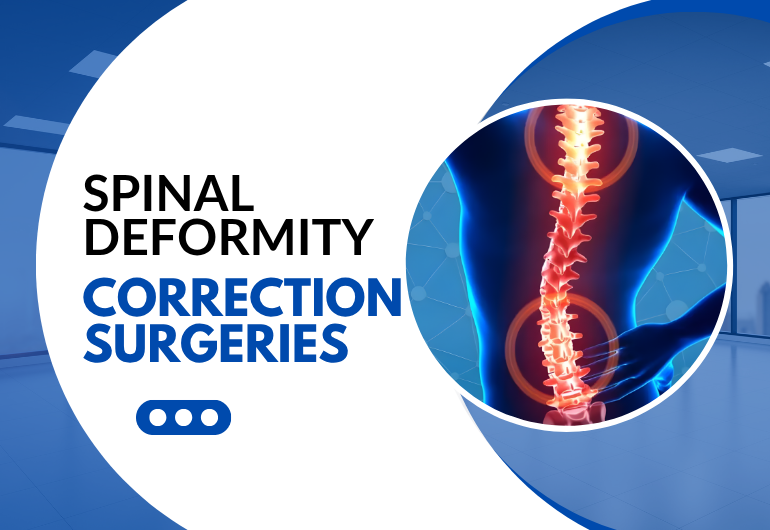
Spinal Deformity Correction Surgeries
The spine is more than just a structural support—it defines posture, movement, and balance. When spinal alignment is disrupted due to deformities, it can lead to chronic pain, reduced mobility, and even psychological distress. Conditions such as scoliosis, kyphosis, and other complex spinal deformities can progressively worsen if left untreated, affecting both physical health and confidence.
Dr. Sharat Kumar Garg, a highly experienced neurosurgeon, specializes in advanced spinal deformity correction surgeries that go beyond symptom relief. His approach focuses on restoring spinal balance, improving function, and enhancing overall quality of life using cutting-edge surgical techniques and personalized care.
Understanding Spinal Deformities
Spinal deformities refer to abnormal curvatures or misalignments of the spine. These conditions can be congenital (present at birth), developmental, or acquired due to aging, trauma, or degenerative diseases.
Common types of spinal deformities include:
- Scoliosis – A sideways curvature of the spine, often appearing as an “S” or “C” shape
- Kyphosis – Excessive forward curvature of the upper spine, leading to a hunched posture
- Lordosis – An exaggerated inward curve of the lower back
- Flatback Syndrome – Loss of natural spinal curvature, affecting posture and balance
These deformities can vary in severity—from mild and manageable to severe cases requiring surgical correction.
Signs & Symptoms to Watch For
Spinal deformities may develop gradually, making early detection essential. Symptoms can include:
- Uneven shoulders or hips
- Visible curvature of the spine
- Persistent back or neck pain
- Fatigue due to muscle strain
- Difficulty standing upright or maintaining balance
- Reduced lung function in severe cases
In children and adolescents, early diagnosis can prevent progression, while in adults, timely treatment can significantly improve quality of life.
Advanced Diagnosis & Evaluation
Accurate assessment is critical for planning effective treatment. Dr. Sharat Kumar Garg uses a comprehensive diagnostic approach:
- X-rays to evaluate spinal curvature and alignment
- MRI scans for soft tissue and nerve assessment
- CT scans for detailed bone structure analysis
- Postural and functional evaluations
Each case is carefully analyzed to determine the severity of the deformity and the most appropriate treatment strategy.
When is Surgery Required?
Not all spinal deformities require surgery. Mild cases can often be managed with observation, physiotherapy, or bracing. However, surgery may be recommended when:
- The curvature is severe or progressive
- There is significant pain or functional limitation
- The deformity affects breathing or organ function
- Non-surgical treatments have failed
Dr. Garg ensures that surgery is considered only when it offers clear benefits and improved outcomes for the patient.
Spinal Deformity Correction Procedures
Modern spinal deformity correction surgeries are highly advanced, focusing on precision, safety, and long- term stability.
- Spinal Fusion Surgery
This is one of the most common procedures, where two or more vertebrae are fused together to stabilize and correct the curvature.
- Instrumentation & Fixation
Metal rods, screws, and plates are used to realign and support the spine during healing, ensuring proper posture and balance.
- Osteotomy Procedures
In severe deformities, controlled cutting and reshaping of bones may be required to achieve proper alignment.
- Minimally Invasive Techniques (Selected Cases)
Whenever feasible, less invasive methods are used to reduce tissue damage and speed up recovery.
Dr. Sharat Kumar Garg combines surgical expertise with advanced technology to achieve optimal alignment while preserving spinal function.
Life After Surgery – Recovery & Rehabilitation
Spinal deformity correction is a transformative journey, and recovery plays a vital role in long-term success. Patients receive a structured rehabilitation plan that includes:
-
- Physiotherapy to rebuild strength and flexibility
- Posture training to maintain corrected alignment
- Gradual return to daily activities
- Regular follow-up to monitor healing and progress
Most patients experience significant improvement in posture, pain relief, and overall confidence after recovery.
Why Choose Dr. Sharat Kumar Garg?
Spinal deformity correction requires not only technical expertise but also a deep understanding of spinal balance and patient needs. Dr. Garg is known for delivering exceptional outcomes through:
-
- Expertise in complex spine deformity surgeries
- Personalized treatment plans for each patient
- Use of advanced surgical techniques and technology
- Focus on both functional and aesthetic outcomes
- Compassionate, patient-first care approach
Every patient is treated with precision, care, and a commitment to restoring not just the spine—but their confidence and quality of life.