
Brain Aneurysm Surgery

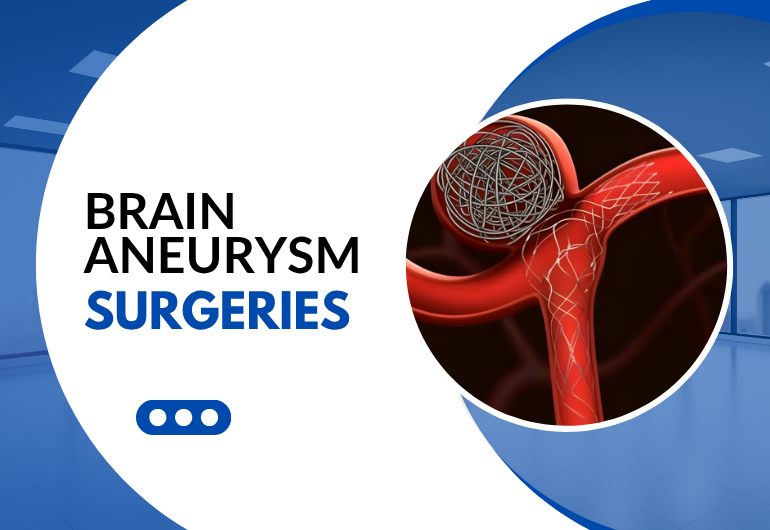
Brain Aneurysm Surgery
A brain aneurysm is often called a “silent threat” because it can develop without noticeable symptoms—yet carries the risk of sudden rupture with life-threatening consequences. When detected early, however, it can be effectively treated with advanced neurosurgical techniques, preventing complications and preserving brain function.
Dr. Sharat Kumar Garg, an experienced neurosurgeon, specializes in the management and surgical treatment of brain aneurysms. His approach combines early diagnosis, precision surgery, and personalized care—
ensuring patients receive the highest level of safety and the best possible outcomes.
What is a Brain Aneurysm?
A brain aneurysm is a bulging or ballooning of a weakened area in the wall of a blood vessel in the brain. Over time, this bulge can enlarge and may eventually rupture, leading to bleeding in the brain, known as a
hemorrhagic stroke.
Aneurysms can vary in size and location, and not all aneurysms rupture. However, once identified, they require careful monitoring or treatment depending on the risk factors.
Types of Brain Aneurysms
Understanding the type of aneurysm helps determine the best treatment approach:
- Saccular (Berry) Aneurysm – The most common type, appearing as a round sac
- Fusiform Aneurysm – A uniform dilation of the blood vessel
- Dissecting Aneurysm – Caused by a tear in the vessel wall
Each type presents unique challenges and requires specialized expertise for effective management.
Warning Signs & Symptoms
Unruptured aneurysms may not cause symptoms, but when they grow or rupture, they can present with:
- Sudden, severe headache (“worst headache of life”)
- Nausea and vomiting
- Stiff neck
- Sensitivity to light
- Blurred or double vision
- Loss of consciousness
- Seizures
- Weakness or numbness in parts of the body
A ruptured aneurysm is a medical emergency that requires immediate attention. Early intervention can be life-saving.
Advanced Diagnosis & Risk Assessment
Detecting a brain aneurysm early is critical for preventing rupture. Dr. Sharat Kumar Garg uses advanced imaging and diagnostic tools to accurately assess the condition:
- CT Angiography (CTA) for detailed blood vessel imaging
- MRI and MRA scans to visualize brain structures and blood flow
- Digital Subtraction Angiography (DSA) for precise mapping of the aneurysm
Each case is evaluated thoroughly to determine the size, shape, and risk of rupture, forming the basis for a personalized treatment plan.
Brain Aneurysm Treatment Options
Treatment depends on several factors, including the size and location of the aneurysm, as well as the patient’s overall health.
- Surgical Clipping
This is a highly effective procedure where a small metal clip is placed at the base of the aneurysm to stop blood flow into it. This prevents rupture and isolates the aneurysm from normal circulation.
- Endovascular Coiling (Minimally Invasive)
A catheter is inserted through the blood vessels to reach the aneurysm, where tiny coils are deployed to block blood flow and promote clotting within the aneurysm.
- Flow Diversion Techniques
In selected cases, special stents are used to redirect blood flow away from the aneurysm, reducing pressure and promoting healing.
Dr. Sharat Kumar Garg carefully selects the most appropriate treatment approach based on individual patient needs, ensuring maximum safety and effectiveness.
Why Early Treatment Matters
The biggest risk associated with a brain aneurysm is rupture, which can lead to:
-
- Hemorrhagic stroke
- Brain damage
- Permanent neurological deficits
- Life-threatening complications
Timely diagnosis and treatment significantly reduce these risks. Even unruptured aneurysms may require proactive management to prevent future emergencies.
Recovery & Rehabilitation
Recovery after brain aneurysm surgery varies depending on the severity and type of procedure performed. Dr. Garg ensures a comprehensive recovery plan that supports both physical and neurological healing.
Patients benefit from:
-
- Close monitoring in the initial recovery phase
- Gradual return to normal activities
- Neurological rehabilitation (if required)
- Lifestyle and risk factor management
- Regular follow-up imaging to ensure long-term stability
The goal is to help patients regain independence and lead a healthy, confident life.