
The Suicide Pain Explained: A Deeper Look into Trigeminal Neuralgia and Its Cure.

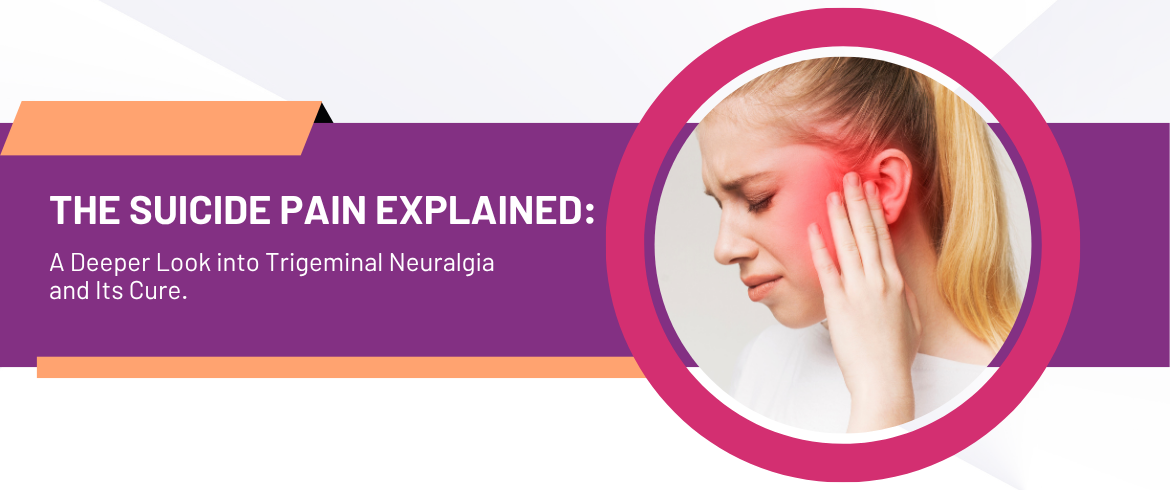
The Suicide Pain Explained: A Deeper Look into Trigeminal Neuralgia and Its Cure.
Imagine a sudden, electric shock striking your face—sharp, intense, and completely unpredictable. Now imagine this happening multiple times a day, triggered by something as simple as brushing your teeth or even a gentle breeze. This is the reality of Trigeminal Neuralgia, a condition so severe that it has earned the haunting nickname: “the suicide pain.”
While the term may sound extreme, it reflects the intensity of suffering experienced by patients. But here’s the truth—modern medicine has transformed the way we understand and treat this condition. Relief is not just possible; it is achievable.
What is Trigeminal Neuralgia?
Trigeminal Neuralgia is a chronic pain disorder that affects the trigeminal nerve—the nerve responsible for transmitting sensations from your face to your brain. When this nerve is irritated or compressed, it sends abnormal pain signals, often described as stabbing, burning, or shock-like sensations.
The pain typically affects one side of the face and can involve areas such as:
-
- The cheek
- Jaw
- Teeth
- Lips
- Eye region
What makes it particularly distressing is its unpredictability. Attacks can last from a few seconds to several minutes, but the fear of the next episode can be constant.
Why is it Called “Suicide Pain”?
The nickname isn’t medical—it’s emotional. Patients with Trigeminal Neuralgia often describe the pain as unbearable, relentless, and life-altering. Everyday activities like eating, speaking, or even smiling can become triggers.
This level of intensity can lead to:
-
- Severe anxiety
- Depression
- Social withdrawal
- Sleep disturbances
However, it’s important to understand that while the pain is extreme, effective treatments exist—and no one has to suffer in silence.
Causes: What Triggers This Condition?
The most common cause of Trigeminal Neuralgia is compression of the trigeminal nerve by a nearby blood vessel. This constant pressure damages the nerve’s protective covering (myelin sheath), leading to erratic pain signals.
Other possible causes include:
-
- Aging-related changes in blood vessels
- Multiple sclerosis
- Tumors pressing on the nerve
- Previous facial trauma or surgery
In some cases, the exact cause may not be clearly identified.
Recognizing the Symptoms
Early diagnosis is key to managing Trigeminal Neuralgia effectively. The hallmark symptom is sudden, severe facial pain, but there are other signs to watch for:
-
- Electric shock-like pain episodes
- Pain triggered by touch, chewing, or talking
- Increasing frequency and intensity of attacks
- Periods of remission followed by relapse
Unlike regular dental or facial pain, this condition has a very distinct pattern—sharp, sudden, and often triggered by minimal stimulation.
Diagnosis: Looking Beyond the Surface
Because the pain often mimics dental issues, many patients initially visit dentists before receiving the correct diagnosis. However, advanced neurological evaluation is essential.
Diagnosis typically involves:
-
- Detailed clinical history
- Neurological examination
- MRI scans to detect nerve compression or structural abnormalities
Accurate diagnosis ensures that the treatment plan targets the root cause rather than just the symptoms.
Treatment Options: From Relief to Recovery
The good news is that Trigeminal Neuralgia is treatable. Modern medicine offers a range of options depending on the severity and underlying cause.
- Medications
Initial treatment often involves medications that stabilize nerve activity and reduce pain signals. These can be highly effective in early stages.
- Minimally Invasive Procedures
When medications are no longer sufficient, minimally invasive procedures can provide significant relief. These techniques aim to disrupt pain signals or reduce nerve irritation without major surgery.
- Microvascular Decompression (MVD)
This is one of the most effective surgical treatments for Trigeminal Neuralgia. It involves relieving pressure on the nerve by repositioning or cushioning the blood vessel causing compression.
Benefits include:
-
- Long-term pain relief
- Preservation of nerve function
- Improved quality of life
- Advanced Surgical Techniques
With advancements in neurosurgery, procedures have become safer, more precise, and less invasive. Recovery times are shorter, and outcomes are significantly improved.
Life Beyond Pain: A New Perspective
Living with Trigeminal Neuralgia can feel isolating, but it’s important to remember that help is available. With the right diagnosis and treatment, patients can regain control over their lives.
Simple changes can also support recovery:
-
- Managing stress levels
- Avoiding known triggers
- Maintaining oral and facial care
- Following medical advice consistently
Expert Care Matters
Treating Trigeminal Neuralgia requires not just technology, but expertise and empathy. Every patient’s experience is unique, and treatment must be tailored accordingly.
Dr. Sharat Kumar Garg specializes in advanced neurosurgical care, offering precise diagnosis and personalized treatment plans. His approach focuses on eliminating pain at its source while ensuring patient comfort and long-term relief.