Lumbar Spinal Stenosis: Symptoms, Causes, Diagnosis & Treatment Options

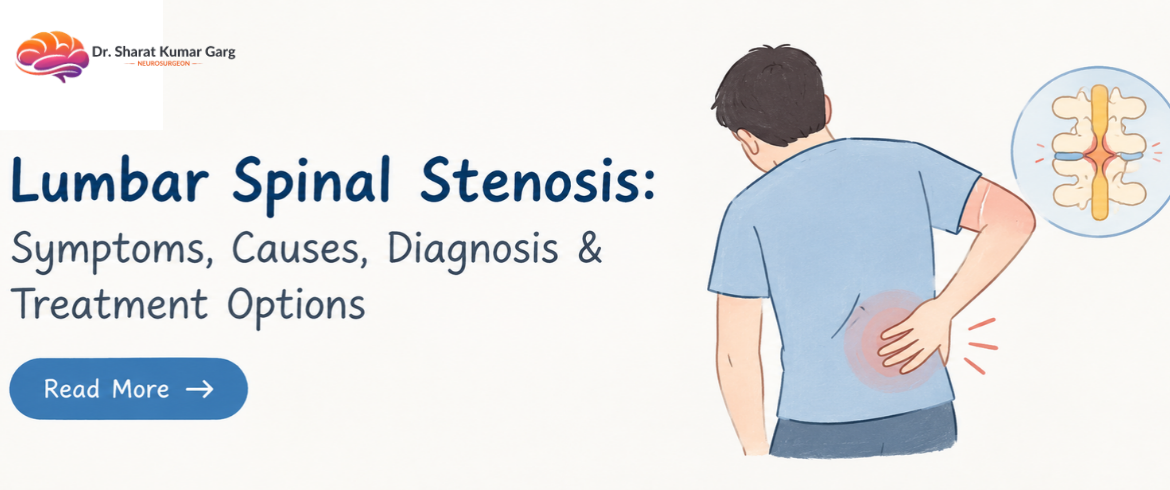
Lumbar Spinal Stenosis: Symptoms, Causes, Diagnosis & Treatment Options
Lumbar spinal stenosis is a common spinal condition in which the spaces within the lower backbone become narrower, putting pressure on the nerves that travel through the spinal canal. This condition can cause lower back pain, numbness, tingling, and difficulty walking. Although it is more common among older adults, it can affect people of different ages depending on their spinal health and medical history. Consulting the best neurosurgeon in sector, 110 noida can help patients understand their symptoms and explore appropriate treatment options.
What Is Lumbar Spinal Stenosis?
The lumbar spine consists of five vertebrae in the lower back that support body weight and allow movement. The spinal canal protects the nerves that connect the brain to the lower body. When this canal or the openings through which nerves exit become narrower, the nerves may become compressed, resulting in lumbar spinal stenosis.
The narrowing usually develops gradually due to age-related changes, although injuries and other spinal conditions can also contribute. Some people may have no symptoms, while others experience significant pain and reduced mobility. Early evaluation by the best neurosurgeon in sector, 110 noida can help determine the severity of nerve compression and guide treatment.
Symptoms of Lumbar Spinal Stenosis
Symptoms can vary depending on the location and degree of narrowing. Some patients experience mild discomfort, while others develop symptoms that interfere with everyday activities.
Common symptoms include:
- Lower back pain: Persistent discomfort that may worsen after standing or walking for extended periods.
- Leg pain: Pain that travels from the lower back into the buttocks or legs due to nerve compression.
- Numbness and tingling: A pins-and-needles sensation in the legs or feet.
- Muscle weakness: Reduced strength in the legs, making movement more difficult.
- Difficulty walking: Patients may need frequent breaks because pain or heaviness develops in the legs.
- Relief when bending forward: Sitting or leaning over a shopping trolley may reduce symptoms by temporarily increasing available space for the nerves.
In severe cases, lumbar spinal stenosis can affect nerve function significantly. Anyone experiencing new bladder or bowel control problems, numbness around the groin, or rapidly worsening leg weakness should seek emergency medical care. The best neurosurgeon in sector, 110 noida can assess persistent symptoms and recommend suitable investigations.
Causes and Risk Factors
Lumbar spinal stenosis most commonly develops because of changes in the spine over time. Several factors can contribute to narrowing of the spinal canal.
1. Age-related degeneration: As people age, spinal structures gradually change, increasing the likelihood of nerve compression.
2. Herniated discs: Bulging or herniated discs may extend into the spinal canal and put pressure on nearby nerves.
3. Thickened ligaments: Ligaments supporting the spine can become thicker over time, reducing the available space for nerves.
4. Bone spurs: Osteoarthritis can lead to extra bone growth that narrows the spinal canal or nerve openings.
5. Spondylolisthesis: When one vertebra slips forward over another, it may contribute to spinal narrowing.
6. Congenital spinal narrowing: Some people are born with a relatively narrow spinal canal and may develop symptoms earlier in life.
Other factors, including previous spinal injuries and certain spinal conditions, can also increase the risk. Consultation with the best neurosurgeon in sector, 110 noida can help identify the cause and determine whether conservative care or specialist treatment is needed.
How Is Lumbar Spinal Stenosis Diagnosed?
Diagnosis involves reviewing symptoms, medical history, and physical examination findings. Doctors assess walking ability, muscle strength, sensation, reflexes, and the distribution of pain or numbness.
The following investigations may be recommended:
MRI scan: Magnetic resonance imaging provides detailed images of discs, ligaments, nerves, and other soft tissues. It is often useful for identifying the location and extent of nerve compression.
X-rays: These can help identify changes in bone alignment, arthritis, and vertebral slippage.
CT scan: Computed tomography provides detailed information about bone structures and may be useful when MRI is unsuitable or additional detail is needed.
Additional tests: In selected cases, nerve conduction studies or electromyography may help investigate other possible causes of leg weakness or numbness.
Imaging findings must be interpreted alongside symptoms because some people have spinal narrowing without experiencing pain. The best neurosurgeon in sector, 110 noida can correlate examination results with scans to develop an individualised treatment plan.
Treatment Options for Lumbar Spinal Stenosis
Treatment depends on symptom severity, the degree of nerve compression, general health, and the patient's daily activities. Many people can initially manage symptoms without surgery.
1. Medications
Doctors may recommend suitable pain-relieving or anti-inflammatory medicines, depending on the patient's medical history. These treatments can help control discomfort but do not reverse the narrowing itself.
2. Physiotherapy and Exercise
A supervised physiotherapy programme may improve flexibility, core strength, balance, and walking tolerance. Exercises are tailored to the patient's condition, and activities that worsen symptoms may need modification.
3. Lifestyle Modifications
Maintaining a healthy weight, avoiding prolonged standing when it triggers symptoms, and taking regular breaks during activity may help reduce discomfort. Patients should follow professional advice before beginning new exercises.
4. Injection-Based Treatments
In selected cases, an epidural steroid injection may provide temporary relief from nerve-related pain. Benefits vary, and injections do not correct the underlying spinal narrowing.
5. Surgery
Surgery may be considered when symptoms remain disabling despite appropriate non-surgical treatment or when significant neurological problems develop. A procedure called lumbar decompression removes or reduces structures pressing on the nerves. Spinal fusion may be recommended in selected patients when instability is also present.
The best neurosurgeon in sector, 110 noida can explain the potential benefits, risks, recovery expectations, and alternatives before a surgical decision is made.
When Should You Consult a Neurosurgeon?
Persistent lower back pain, recurring leg discomfort, numbness, weakness, or difficulty walking should not be ignored. Early evaluation can help distinguish lumbar spinal stenosis from other spinal and neurological conditions.
If symptoms interfere with daily activities or continue despite conservative treatment, specialist assessment may help identify the next appropriate step. The best neurosurgeon in sector, 110 noida can evaluate spinal imaging, assess nerve function, and recommend an appropriate management plan.
Conclusion
Lumbar spinal stenosis can affect mobility, comfort, and quality of life, but treatment options are available. Understanding the symptoms, causes, diagnostic process, and available therapies helps patients make informed decisions about their spinal health. Depending on the severity of the condition, management may include medication, physiotherapy, lifestyle changes, injections, or surgery. Timely medical assessment is especially important when symptoms worsen or neurological warning signs develop.
Frequently Asked Questions (FAQs)
1. What are the early symptoms of lumbar spinal stenosis?
Early symptoms may include lower back discomfort, leg pain, tingling, numbness, or heaviness while walking. Symptoms often improve when sitting or bending forward.
2. Can lumbar spinal stenosis be treated without surgery?
Yes. Many patients can manage symptoms with physiotherapy, appropriate medication, activity modification, and selected injection-based treatments. Surgery may be considered when symptoms remain severe or neurological problems develop.
3. Is walking good for lumbar spinal stenosis?
Gentle walking may help some patients maintain mobility, but prolonged walking can worsen symptoms in others. Shorter walks, supported exercise, and personalised physiotherapy may be more comfortable.
4. How is lumbar spinal stenosis diagnosed?
Diagnosis typically involves a medical history, physical and neurological examination, and imaging such as MRI. X-rays or CT scans may also be recommended depending on the suspected cause.
5. When does lumbar spinal stenosis require surgery?
Surgery may be considered when pain or walking difficulties significantly affect daily life despite non-surgical treatment, or when serious nerve compression causes progressive weakness. New bladder or bowel dysfunction or numbness around the groin requires emergency assessment.