Cervical Myelopathy: Early Symptoms, Diagnosis & Treatment for Spinal Cord Compression

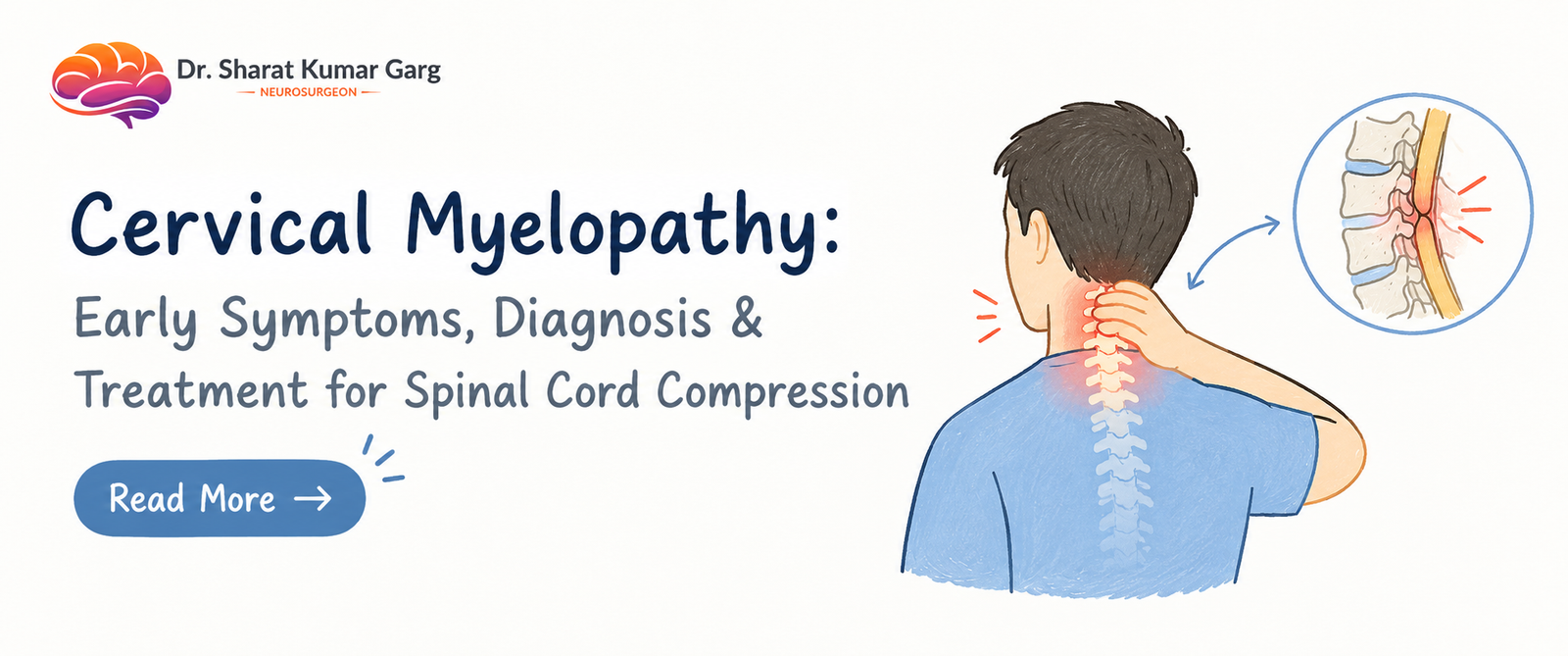
Cervical Myelopathy: Early Symptoms, Diagnosis & Treatment for Spinal Cord Compression
Cervical myelopathy is a neurological condition that occurs when the spinal cord in the neck becomes compressed. It commonly develops due to age-related changes in the cervical spine, such as disc degeneration, bone spurs, or thickened ligaments. If left untreated, this condition can gradually affect walking, hand coordination, balance, and everyday activities. Early diagnosis and appropriate treatment are essential to prevent further neurological damage. Consulting the best neurosurgeon in sector 110 noida can help patients understand their symptoms and explore suitable treatment options.
What Is Cervical Myelopathy?
Cervical myelopathy occurs when pressure on the spinal cord in the neck interferes with the transmission of signals between the brain and the rest of the body. The condition is often associated with cervical spondylosis, a degenerative process that affects the discs, joints, and bones of the neck.
Unlike a simple neck strain or muscle-related pain, cervical myelopathy involves spinal cord dysfunction. It can cause symptoms in the hands, arms, legs, and sometimes the bladder or bowel. Patients experiencing persistent neck discomfort along with coordination difficulties should seek an evaluation from the best neurosurgeon in sector 110 noida for an accurate diagnosis.
Early Symptoms of Cervical Myelopathy
The symptoms of cervical myelopathy may develop gradually, making them easy to overlook during the early stages. Recognising these warning signs can help patients receive timely medical care.
1. Neck pain and stiffness: Patients may experience persistent neck discomfort, reduced flexibility, or difficulty turning the head. However, cervical myelopathy can occur without significant neck pain.
2. Numbness or tingling: Compression of the spinal cord may cause unusual sensations in the hands, fingers, arms, or legs.
3. Weakness in the hands: Patients may struggle with buttoning clothes, writing, holding small objects, or handling utensils.
4. Balance and walking problems: Difficulty maintaining balance, a stiff walking pattern, or frequent stumbling may indicate spinal cord involvement.
5. Reduced coordination: Fine motor tasks may become increasingly difficult, affecting daily activities and independence.
6. Muscle stiffness and abnormal reflexes: Some patients develop increased muscle tone, exaggerated reflexes, or weakness in the legs.
7. Bladder or bowel changes: In more advanced cases, spinal cord dysfunction may affect bladder or bowel control. New urinary retention, incontinence, or rapidly worsening neurological symptoms require urgent medical assessment.
If these symptoms persist or worsen, consulting the best neurosurgeon in sector 110 noida can help determine whether spinal cord compression is responsible.
What Causes Cervical Myelopathy?
Several conditions can narrow the spinal canal and place pressure on the cervical spinal cord.
- Cervical spondylosis: Age-related wear and tear can lead to bone spurs and narrowing of the spinal canal.
- Herniated cervical discs: Discs that bulge or rupture may press against the spinal cord.
- Ligament thickening: Changes in the ligaments supporting the spine can reduce the available space for the spinal cord.
- Spinal canal stenosis: A naturally narrow or progressively narrowed spinal canal increases the risk of compression.
- Spinal injuries: Trauma can worsen existing narrowing or cause acute spinal cord compression.
- Other spinal conditions: Less commonly, tumours, inflammatory conditions, or other abnormalities may contribute to compression.
Identifying the underlying cause is essential for selecting the right treatment. A consultation with the best neurosurgeon in sector 110 noida can help patients understand the severity of compression and the available management options.
How Is Cervical Myelopathy Diagnosed?
Diagnosis generally involves a detailed medical history, neurological examination, and appropriate imaging tests.
Neurological examination: The doctor evaluates muscle strength, sensation, reflexes, hand coordination, and walking ability. These findings help identify signs of spinal cord dysfunction.
MRI scan: Magnetic resonance imaging is usually the most useful imaging test for evaluating the spinal cord, intervertebral discs, ligaments, and areas of compression.
CT scan or X-rays: These tests may help assess bone spurs, alignment, degenerative changes, and other structural abnormalities. CT imaging can be particularly useful when detailed bone assessment is required.
Additional tests: In selected cases, nerve conduction studies or electromyography may help distinguish cervical myelopathy from other neurological conditions.
The diagnosis depends on combining the patient's symptoms and examination findings with imaging results. The best neurosurgeon in sector 110 noida can help determine whether the findings indicate spinal cord compression and whether treatment is necessary.
Treatment Options for Cervical Myelopathy
Treatment depends on the severity of symptoms, the degree of spinal cord compression, the underlying cause, and the patient's overall health.
1. Monitoring and Non-Surgical Treatment
Patients with mild, stable symptoms may sometimes be managed with close medical supervision and rehabilitation. Treatment may include carefully selected exercises, activity modification, and medication to relieve associated pain.
However, non-surgical treatment does not remove significant spinal cord compression. Neck manipulation and unsupervised exercises should be avoided when cervical myelopathy is suspected.
2. Surgical Treatment
Surgery is often recommended for moderate or severe cervical myelopathy, progressive neurological symptoms, or significant spinal cord compression. The main goal is to relieve pressure on the spinal cord and prevent further deterioration.
Common procedures include:
- Anterior cervical discectomy and fusion (ACDF): Removes a problematic disc and decompresses the spinal cord from the front of the neck, with fusion when appropriate.
- Laminectomy: Removes part of the vertebral bone to create more space for the spinal cord.
- Laminoplasty: Reshapes or expands the spinal canal while preserving some spinal movement.
- Combined procedures: In selected cases, surgeons use approaches from both the front and back of the neck.
The choice of surgery depends on the location of compression, spinal alignment, the number of affected levels, and individual patient factors. Consulting the best neurosurgeon in sector 110 noida can help patients understand the potential benefits, risks, and expected recovery.
Recovery and Prevention
Recovery varies according to the duration and severity of spinal cord compression and the treatment performed. Physiotherapy and rehabilitation may help improve strength, balance, mobility, and daily functioning after appropriate medical or surgical treatment.
Although age-related degeneration cannot always be prevented, maintaining good posture, staying physically active, avoiding smoking, and seeking early assessment for persistent neurological symptoms can support spinal health. Patients should follow personalised medical advice rather than relying on self-treatment.
Conclusion
Cervical myelopathy is a potentially serious condition that develops when the spinal cord in the neck becomes compressed. Early symptoms may include hand weakness, numbness, balance difficulties, and reduced coordination. Prompt diagnosis using a neurological examination and MRI can help guide appropriate treatment and reduce the risk of further neurological deterioration.
If you notice progressive weakness, difficulty walking, or worsening hand coordination, seek medical evaluation promptly. Consulting the best neurosurgeon in sector 110 noida can help you understand the diagnosis and determine whether monitoring, rehabilitation, or surgery is appropriate.
Frequently Asked Questions (FAQs)
1. What is the most common early symptom of cervical myelopathy?
Early symptoms often include numbness or tingling in the hands, difficulty with fine motor tasks, hand weakness, and balance problems. Symptoms vary between individuals.
2. Can cervical myelopathy be treated without surgery?
Some patients with mild, stable symptoms may be monitored and receive supervised rehabilitation. However, surgery is often recommended when compression is significant or neurological symptoms are worsening.
3. Is cervical myelopathy a serious condition?
Yes. Progressive spinal cord compression can cause lasting problems with movement, coordination, and walking. Early diagnosis and appropriate treatment are important to limit further damage.
4. Which test is best for diagnosing cervical myelopathy?
MRI is generally the preferred imaging test because it shows the spinal cord, discs, ligaments, and areas of compression. Doctors also use neurological examinations and may recommend other tests when necessary.
5. When should I consult a neurosurgeon for cervical myelopathy?
Consult a neurosurgeon if you experience persistent hand weakness, worsening numbness, balance difficulties, or changes in walking. Sudden or rapidly worsening weakness, inability to walk, or new bladder or bowel dysfunction requires urgent medical assessment.